Bonsai: Forbidden Art? Why It’s So Hard to Import Into the U.S.
Bonsai: Forbidden Art? Why It’s So Hard to Import Into the U.S.
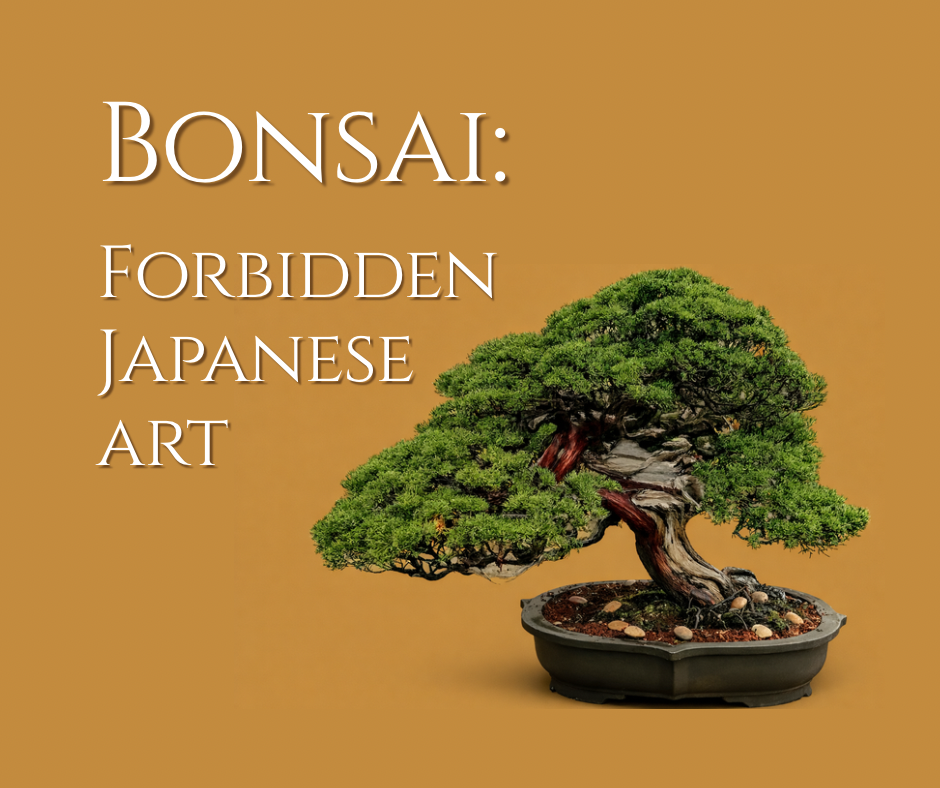
Bonsai looks like the perfect Japanese souvenir to bring into the United States.
It is small, beautiful, culturally distinctive, and easy to imagine in an American home.
To many people, it seems like the kind of object that should travel easily across borders. But in reality, importing bonsai into the U.S. is surprisingly difficult.
Why Bonsai Is Treated Differently
The reason is simple: bonsai is not treated as a decorative object. It is treated as a live plant, and live plants are heavily regulated.
In the United States, plant imports are controlled mainly by USDA APHIS under plant health laws designed to keep pests and diseases out of the country.
That means the issue is not whether a bonsai looks clean or beautiful. The issue is whether it could carry a biological risk.
One of the biggest problems is soil.
Any soil or growing medium must be removed before shipment, because foreign soil is treated as a possible carrier of insects, fungi, nematodes, and other organisms that could damage agriculture or ecosystems in the U.S.
But even after removing the soil, importing bonsai is still not simple.
What the Rules Actually Require
What makes the situation especially restrictive is that many bonsai buyers do not realize how strict the requirements are.
For many types of bonsai, especially woody plants, U.S. rules often require the tree to have been grown for an extended period under highly controlled conditions before it can qualify for import.
In many cases, that means the tree must be grown in a registered greenhouse or screenhouse, in sterile growing media, and kept off the ground under tightly controlled nursery conditions.
In other words, it cannot simply be lifted from an ordinary outdoor bonsai environment in Japan and exported as it is.
And this is where the frustration becomes obvious.
What most people want is a finished bonsai with age, movement, texture, and presence.
They want something that already feels like a living piece of art. But what is easiest to move legally is often something much younger, much cleaner, and much less visually compelling.
In practical terms, the material that has the best chance of passing through the system is often younger stock with a much less mature appearance.
That is very different from the kind of mature bonsai most people actually picture when they hear the word “bonsai.”
That is the hidden gap. What people want to buy and what can realistically cross the border are often not the same thing.
This gap has become significant enough that some members of the bonsai community in Japan have even submitted petitions to the Japanese government, asking it to encourage discussions with U.S. authorities to make the import process more accessible.
Why the U.S. Became So Cautious
Part of the reason for this caution goes back to the long history of plant disease and pest concerns tied to woody plants, including pine-related threats that became especially serious in Japan.
One of the best-known examples is pine wilt disease, which spread widely in Japan and became associated with major pine losses.
Problems like that helped shape how countries think about the movement of live trees and nursery stock across borders.
To be clear, this does not mean the current U.S. rules were written only because of Japan or because of one single disease.
But it does reflect the same basic fear.
Once a harmful organism enters through live plant material, the damage can be widespread and extremely difficult to reverse. That is why the system is built around prevention.
And interestingly, this is also where the story becomes a little frustrating for Japan.
Today, pine wilt disease in Japan is much more controlled than it once was.
Growers and agricultural authorities in Japan are not operating in the same world as they were decades ago.
But border systems tend to move more slowly than reality on the ground.
Regulations often continue to reflect worst-case risk, not everyday nuance.
The Gap Between What People Want and What Can Be Imported
So while bonsai is not “banned” in the simplest legal sense, it is restricted enough that, for many ordinary sellers and buyers, it may as well feel forbidden.
And that makes bonsai a very interesting example of a much larger export reality. Something can look perfect for overseas markets and still be incredibly difficult to move.
From Japan, bonsai looks ideal. It is compact, high-value, culturally distinctive, and visually powerful.
From the U.S. side, however, the first question is not “Will people love this?” It is “Can this legally and safely enter the country?”
That difference in perspective matters more than many people realize.
If Bonsai Were Easier to Import
And if these restrictions did not exist — or if import pathways became easier — bonsai would likely have a much bigger place in the American market than it does now.
It would probably not remain limited to serious collectors.
You could easily imagine bonsai in design-conscious homes, minimalist apartments, boutique hotels, Japanese-inspired cafés, wellness spaces, office lobbies, and lifestyle retail stores.
It has exactly the kind of quiet visual presence that works well in spaces where people want something natural, sculptural, and refined.
And the buyers would not only be bonsai enthusiasts.
They would likely include interior designers, architects, restaurant owners, hospitality businesses, wellness brands, collectors of Japanese craft, and consumers who are drawn to objects that feel both living and intentional.
In other words, bonsai has the kind of visual and cultural appeal that could work extremely well in the U.S. if the regulatory path were easier.
And that may be the real lesson.
Sometimes the issue is that the product, in its original form, is not the easiest thing to import. That is often where export strategy really begins.
Not with “Can Americans like this?”
But with: “What version of this can actually cross the border — and still be worth wanting?”
Because in export, what survives the rules is not always what people truly want. And that gap is where strategy begins.
Maybe that is what makes bonsai feel like forbidden art.
Not because people do not want it. But because the version people most want is often the hardest one to move.
Want to discover more Japanese products and stories? Browse more posts here.