Why Kewpie Is More Than Just Mayo
Why Kewpie Is More Than Mayo
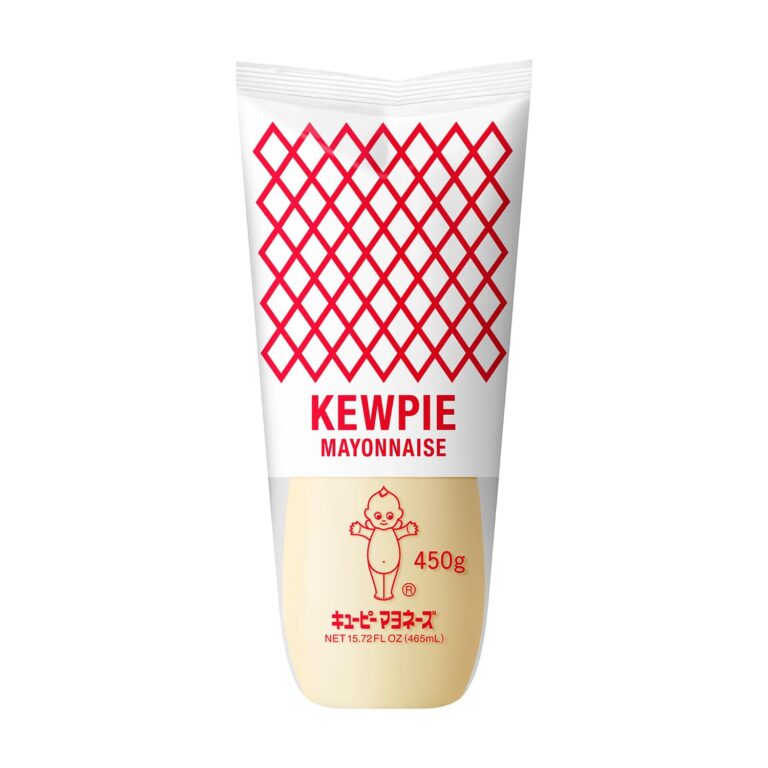
Kewpie Mayonnaise is everywhere in Japan. You see it in home kitchens, sandwiches sold at convenience stores, in bento boxes, and even on the tables at small local restaurants. In Japan, people don't see it as anything special. It is simply part of our everyday life.
But once you look a little closer, it begins to feel like more than just mayonnaise.
A Familiar Flavor in Everyday Japan
Many people describe Kewpie as richer, slightly sweeter, and more umami-forward than they are used to outside Japan.
Part of that comes from the ingredients.
In Japan, Kewpie Mayonnaise uses egg yolks rather than whole eggs, which gives it a deeper flavor and smoother texture.
Compared to beef or pork, eggs became a familiar part of the Japanese diet much earlier. Along with fish, they have long been an important source of protein in everyday meals. That may be one reason why egg-based flavors became so familiar in Japan.
In Japan, there are many ways to use Kewpie mayonnaise. We mixed it into potato salad or drizzled it over okonomiyaki or a simple salad. Some people even use it as a substitute for cooking oil.
Kewpie isn’t simply something you add at the end. It feels less like a condiment and more like a quiet default.
A Thoughtful Company Behind It
Part of what makes Kewpie interesting is that the company itself has always been thoughtful.
Kewpie mayonnaise was not created as a novelty. When it first appeared in 1925, the goal was to improve everyday nutrition in post-war Japan by including protein and nutrients in daily meals.
At a time when Western-style foods were still relatively new, mayonnaise was seen as a practical way to enrich simple dishes.
Even the flavor was carefully designed. The company used egg yolks instead of whole eggs and developed a vinegar specifically for their mayonnaise.
That attention to small details was to match Japanese tastes.
A Small Difference Between Japan and the U.S.
Some people notice that Kewpie mayonnaise in the United States tastes slightly different from the one in Japan.
One key difference is MSG. The Japanese version traditionally contains it, while the U.S. version does not.
That does not mean one is better than the other. It simply reflects different expectations.
In Japan, people widely accept MSG as a normal part of umami-rich flavor. In the U.S., many products avoid it to match consumer preferences.
So even within the same brand, the product naturally adapts to the culture around it.
How 7-Eleven Helps Introduce Kewpie Mayonnaise in the U.S.
That difference feels especially interesting now that Japanese-style egg salad sandwiches are appearing more widely outside Japan.
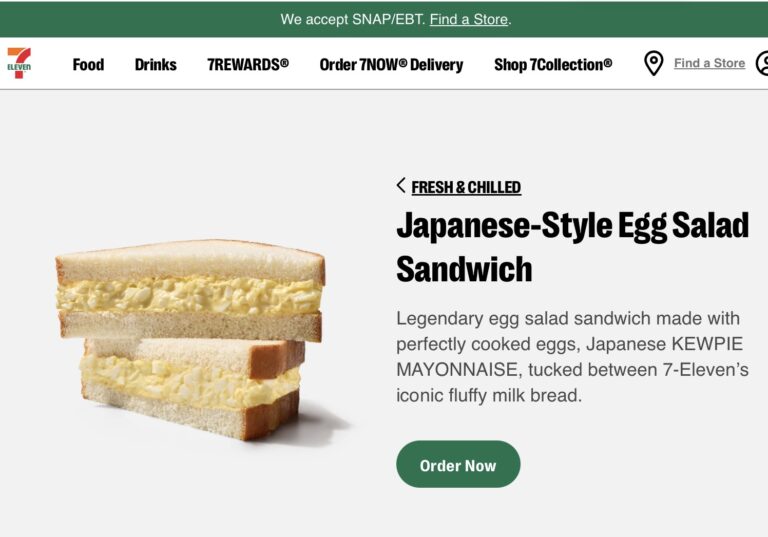
Even 7-Eleven in the U.S. now sells a Japanese-style egg salad sandwich. The company has said that recreating the same product involves logistical challenges.
Still, it is trying to bring a version of a sandwich that reflects what people know from Japan’s convenience stores.
In other words, something that has long felt ordinary in Japan is now being rediscovered in a completely different cultural setting.
Kewpie Mayonnaise: More Than a Condiment
What makes Kewpie Mayonnaise feel so Japanese is not just its taste, but how naturally it moves through daily life.
Open a refrigerator in Japan, and there’s a good chance you’ll find a bottle of Kewpie tucked into the door.
It also appears in a way that feels very everyday in Japan: in small, portable packets.
You’ll often find small packets of Kewpie mayonnaise tucked into bento lunches at convenience stores, as if it naturally belongs there.
In the U.S., mayonnaise usually feels like something that stays at home. In Japan, it often moves with the meal itself.
Some people even call themselves “Mayoraa” — mayonnaise lovers who feel incomplete without it.
A Small Detail That Says a Lot
Kewpie may look like just another bottle of mayonnaise, but it carries a small piece of everyday life in Japan.
It’s not just about flavor, but about habit, comfort, and the way small things settle into daily routines.
And sometimes, it’s these small, almost unnoticed details that say the most.
Want to discover more Japanese products and stories? Browse more posts here.
- Categories
- Japanese Products